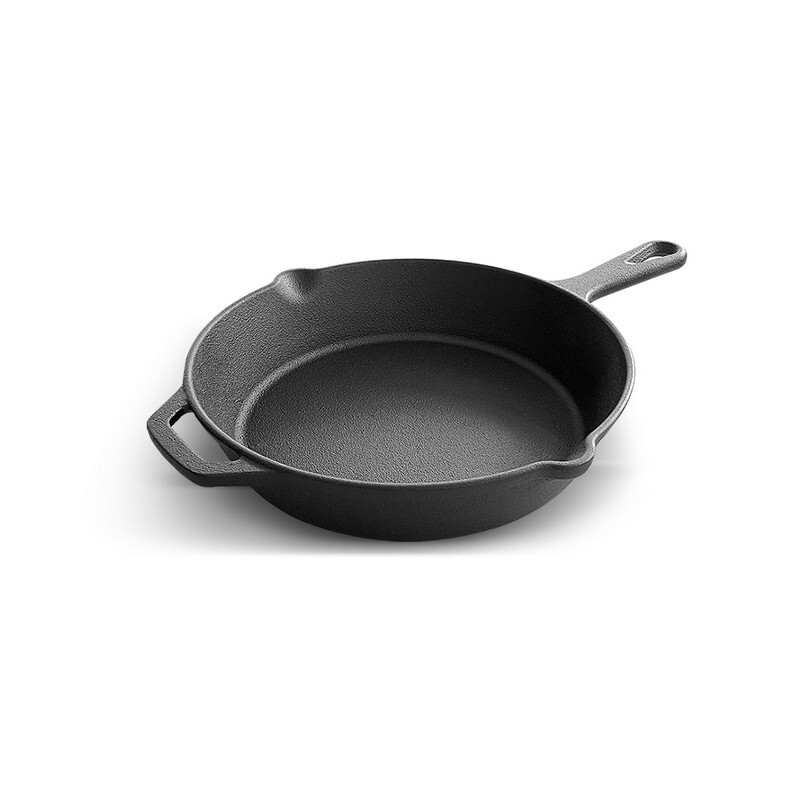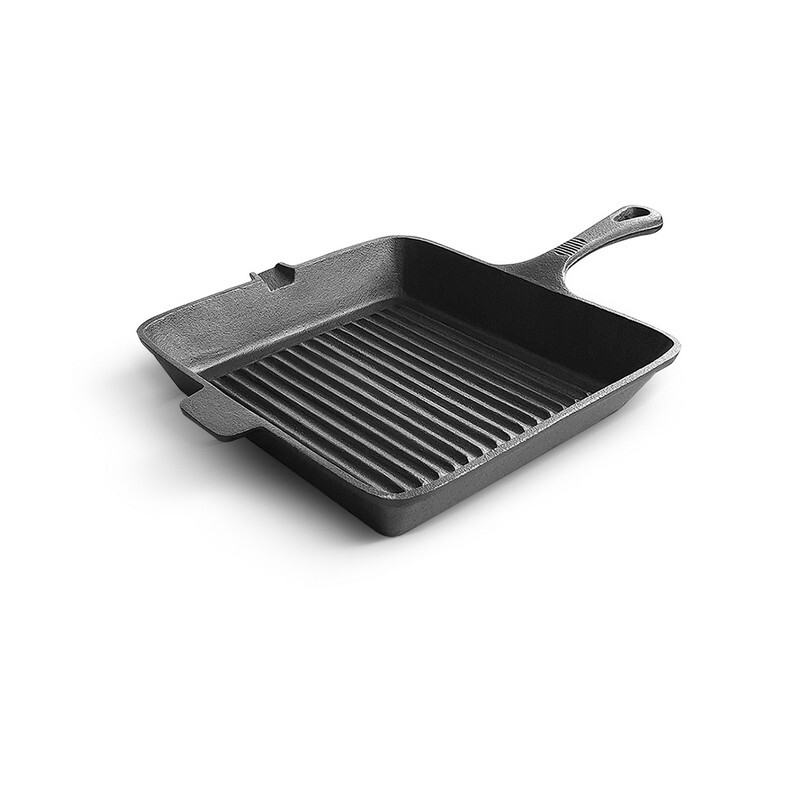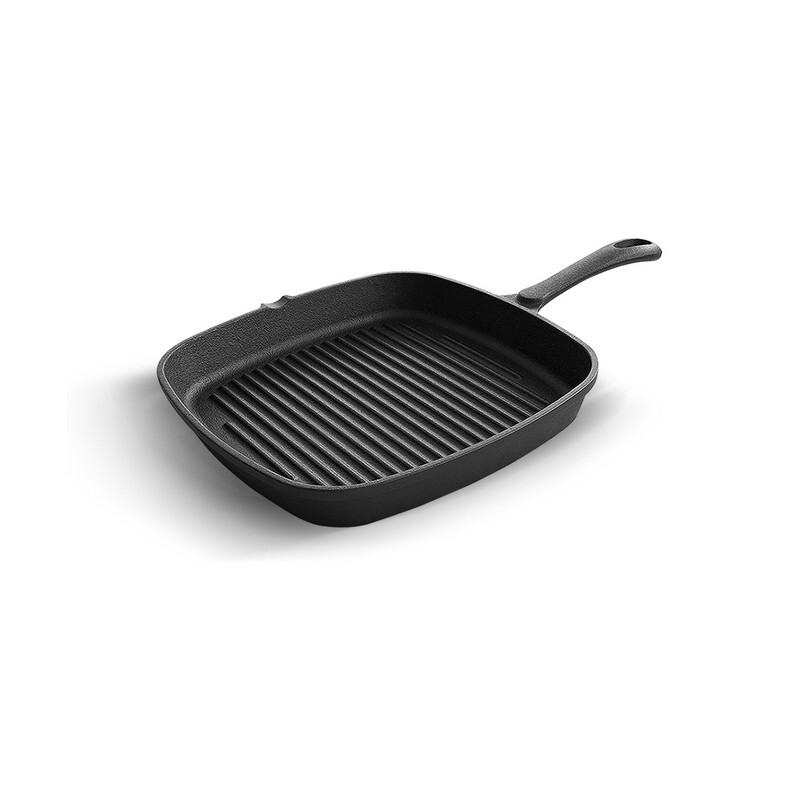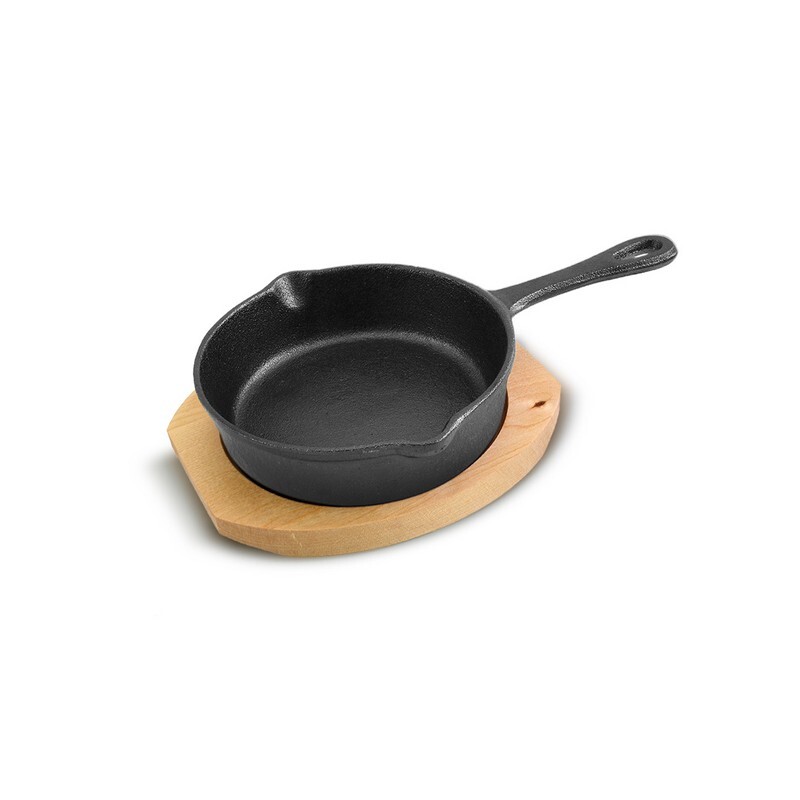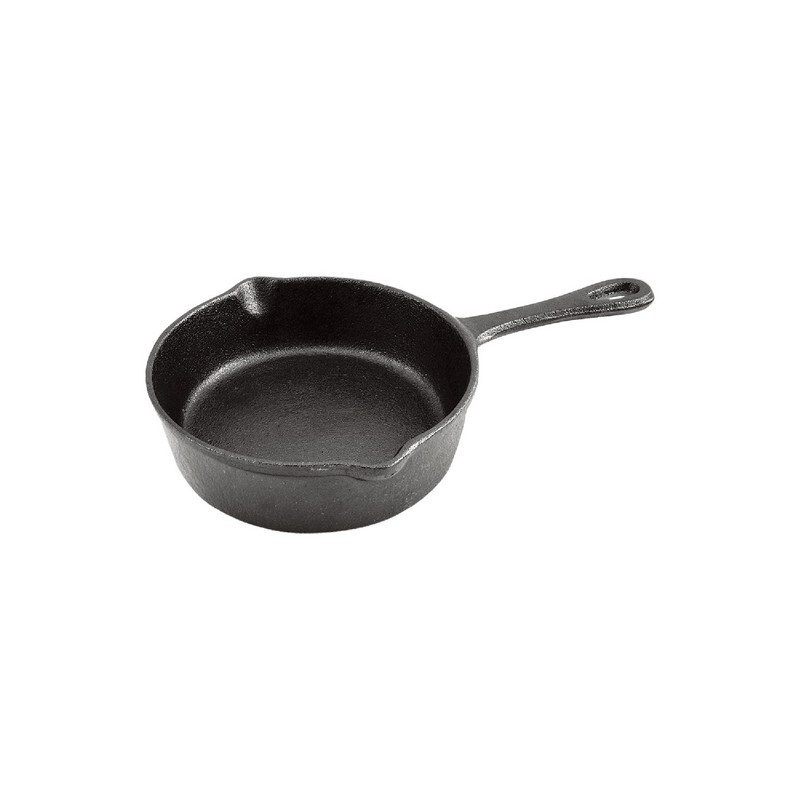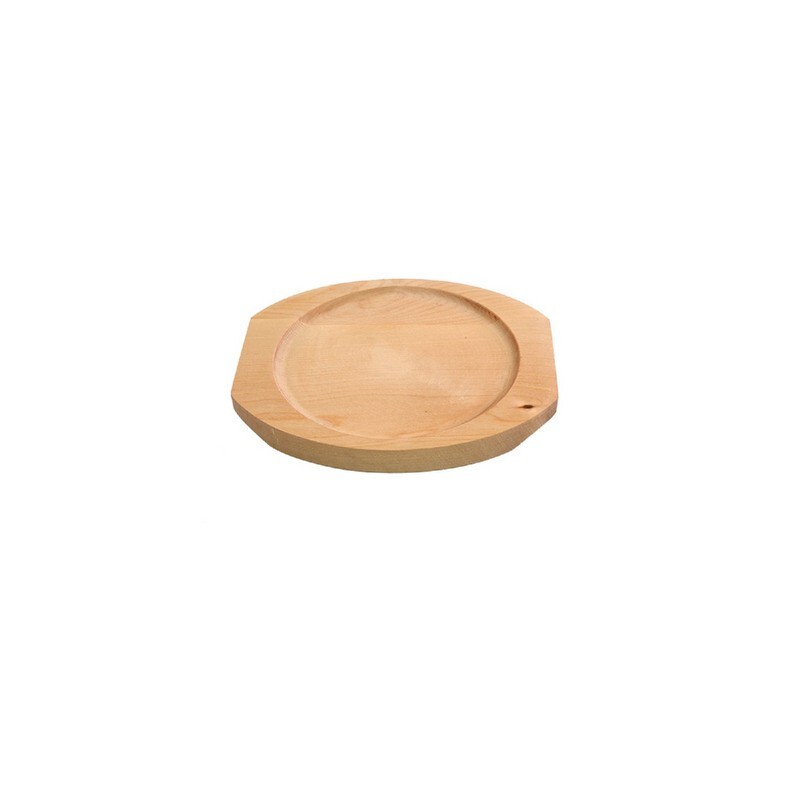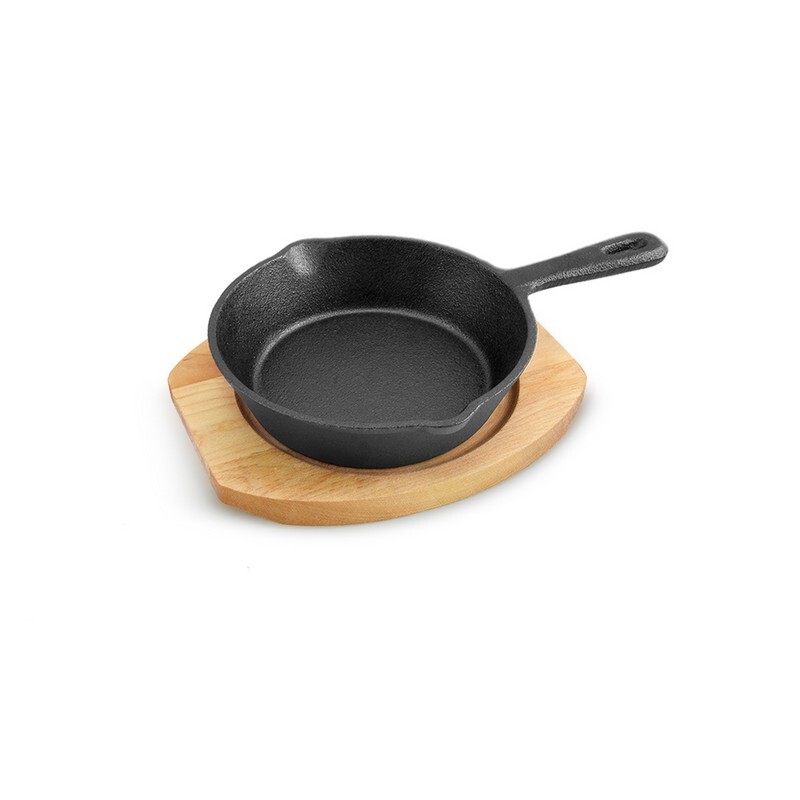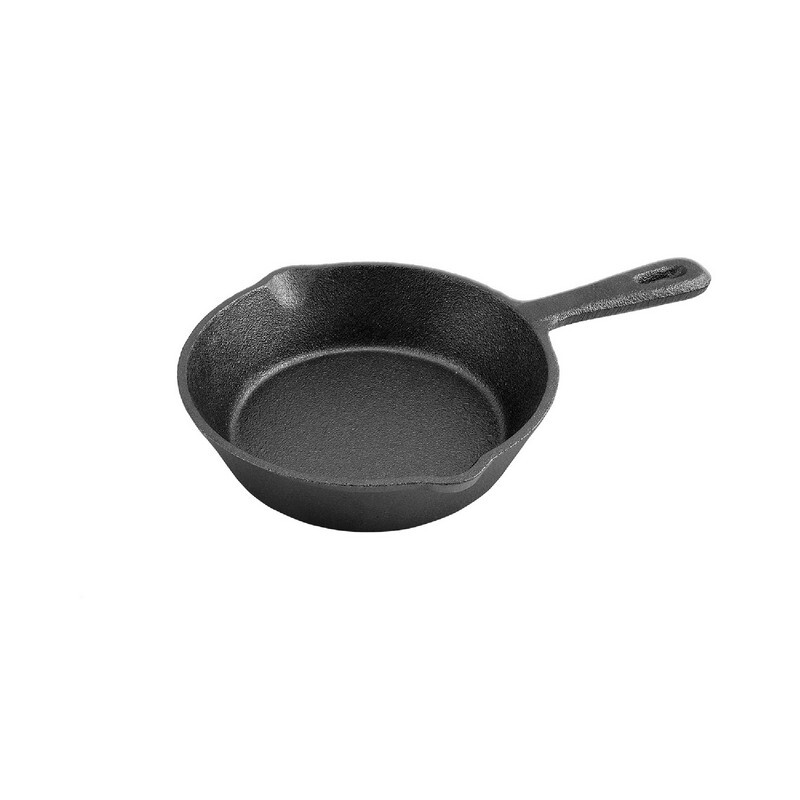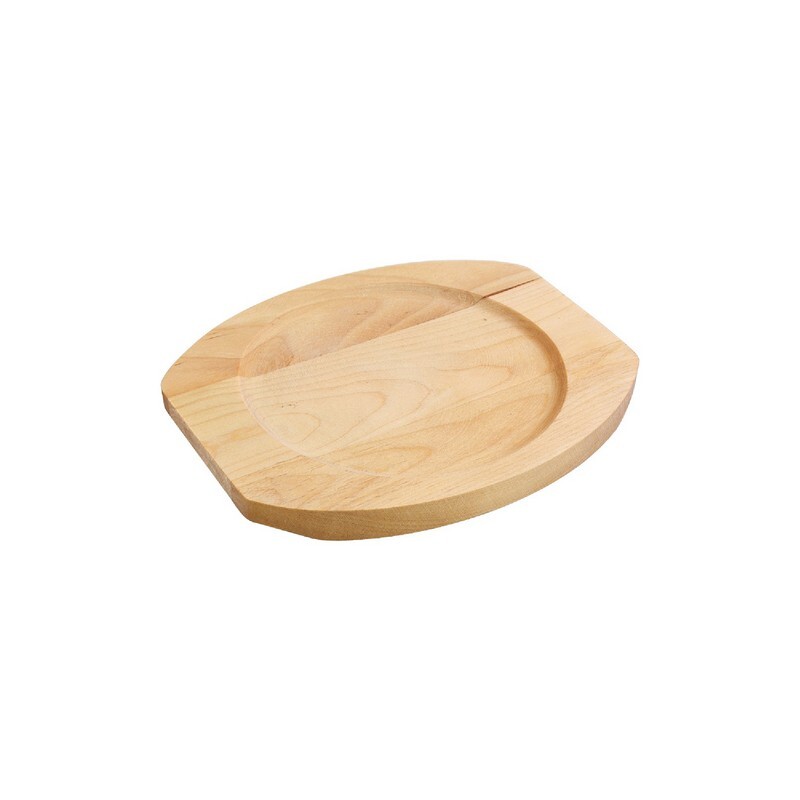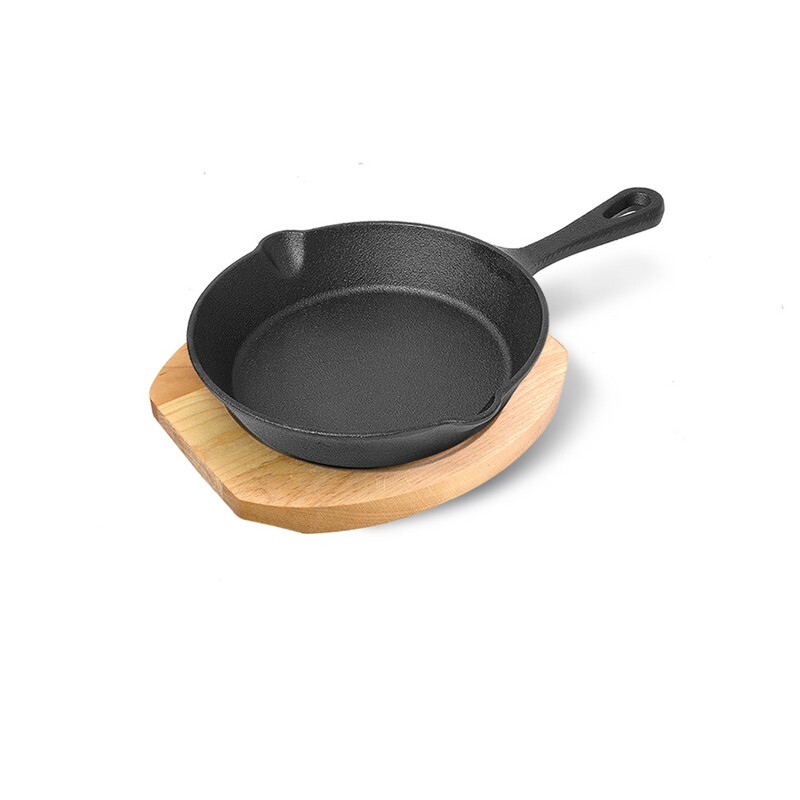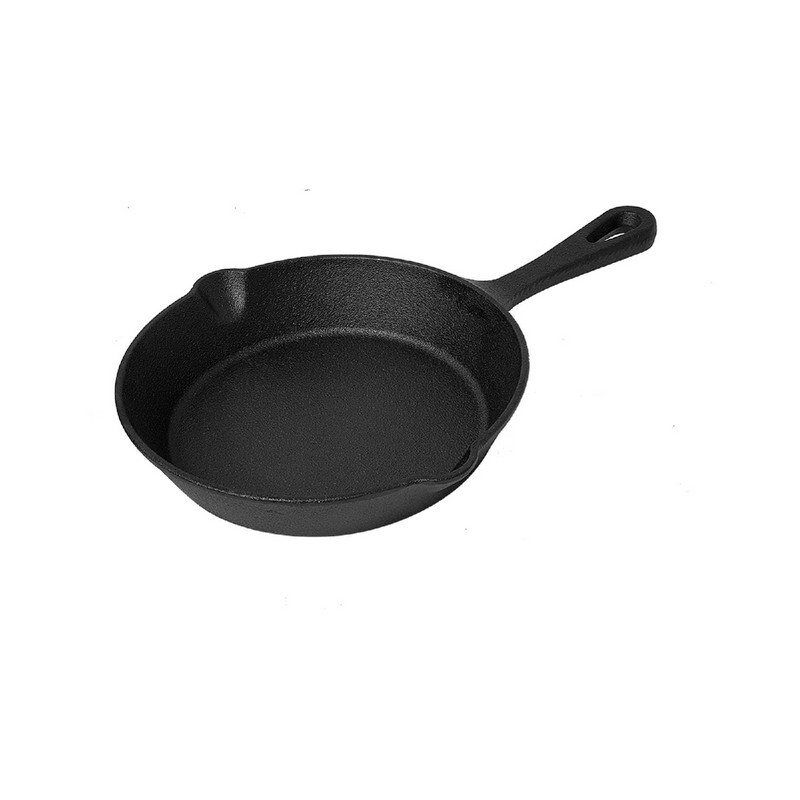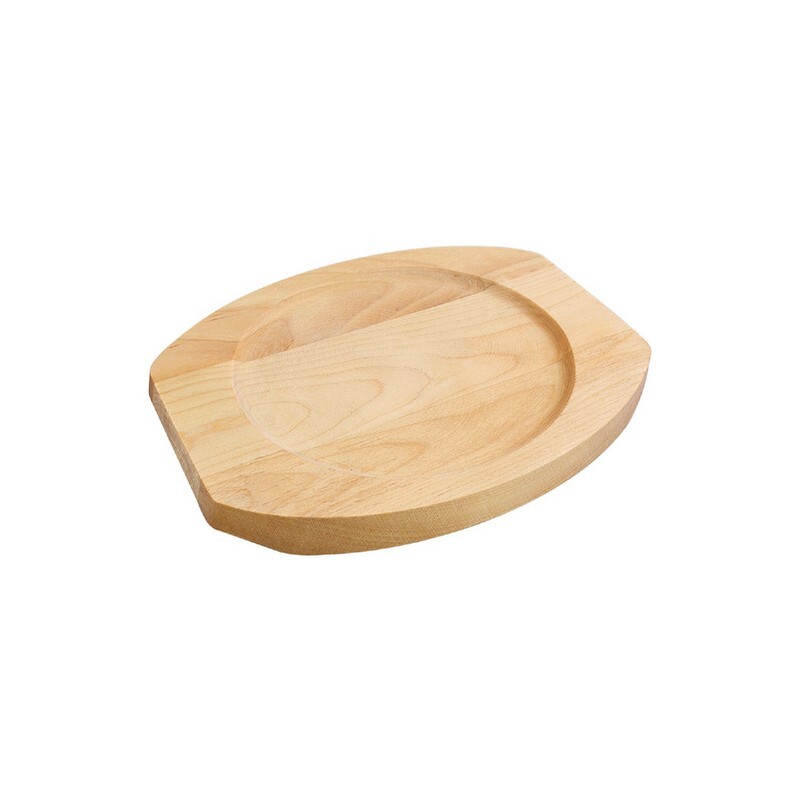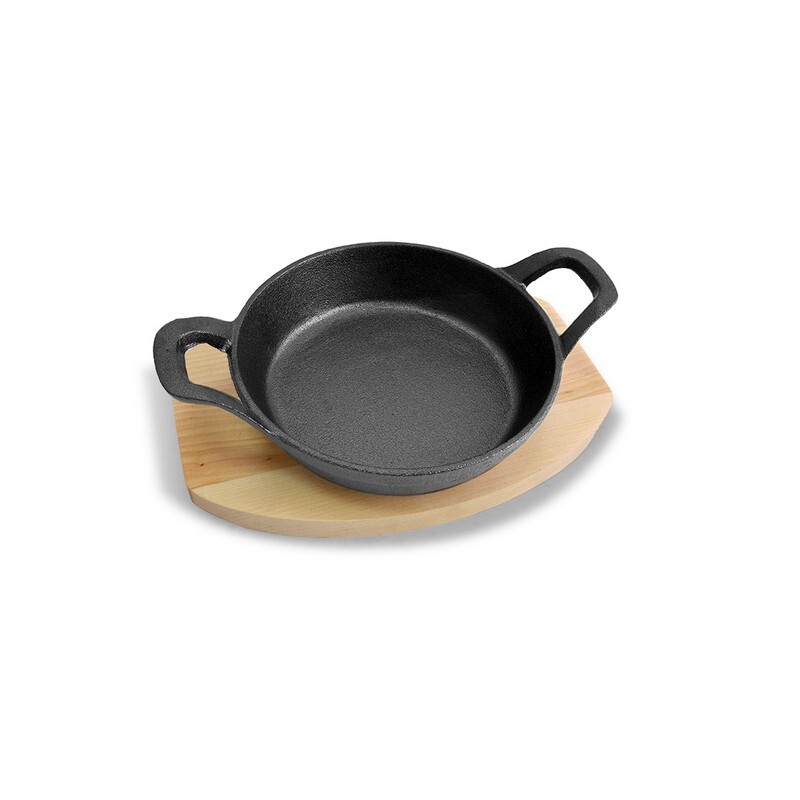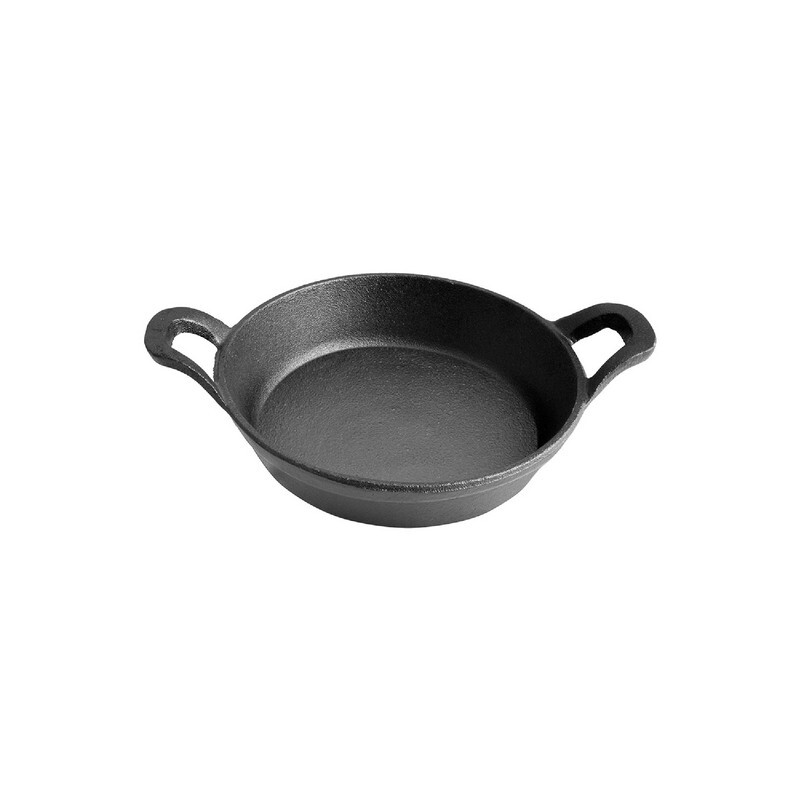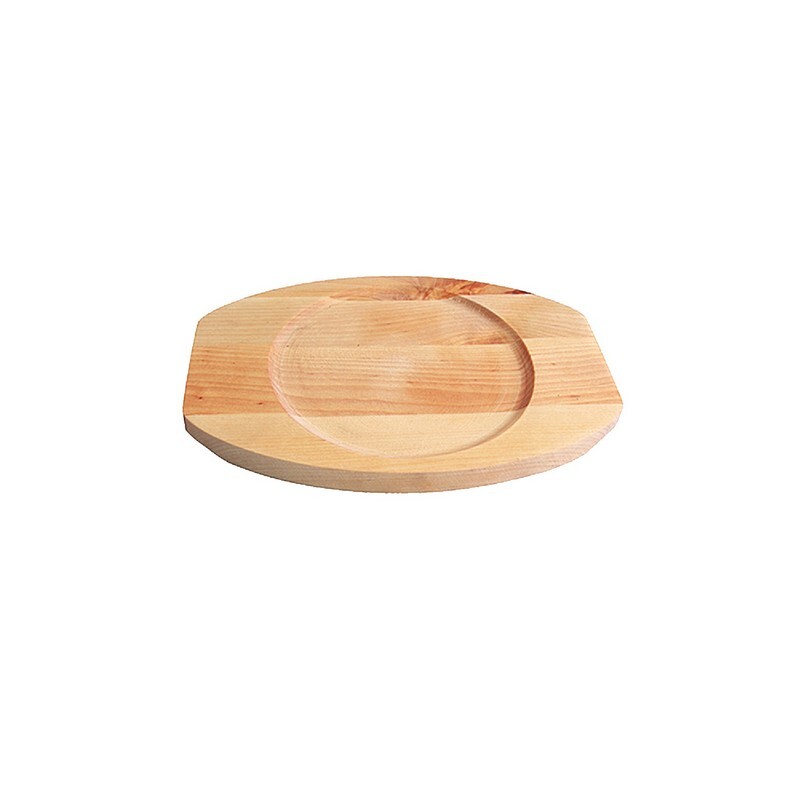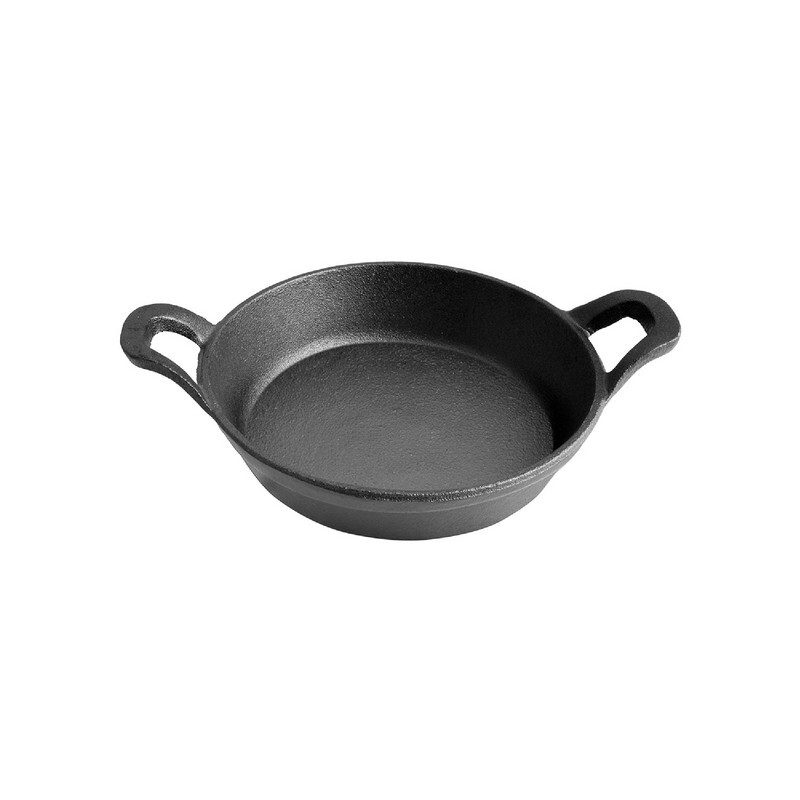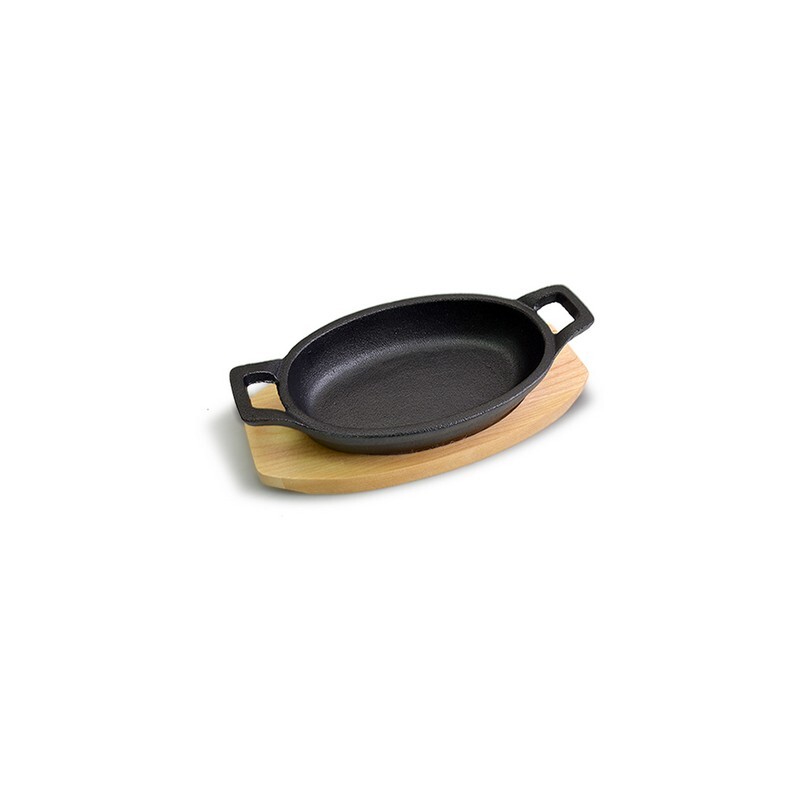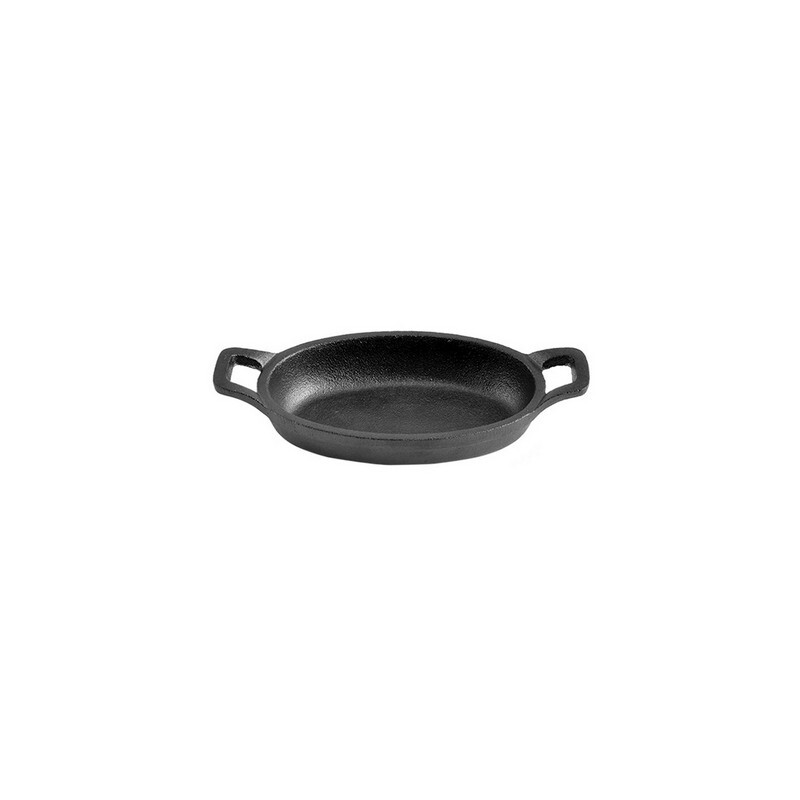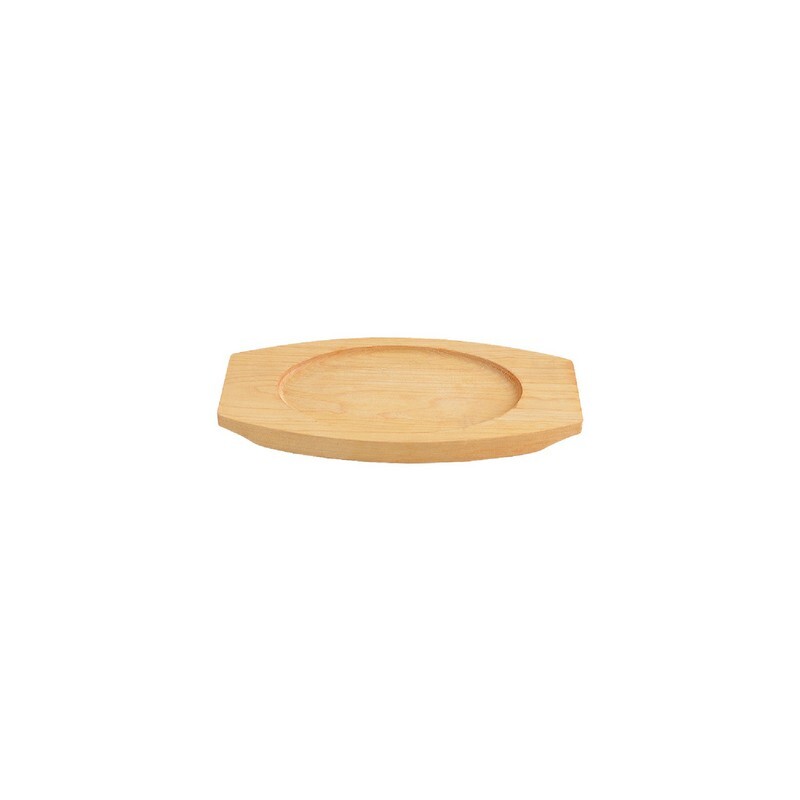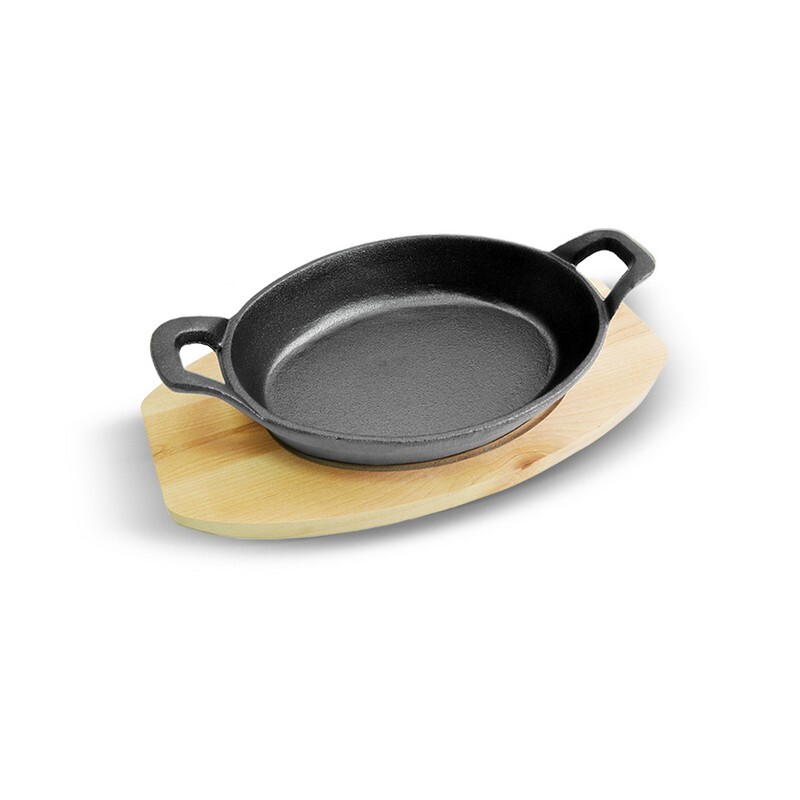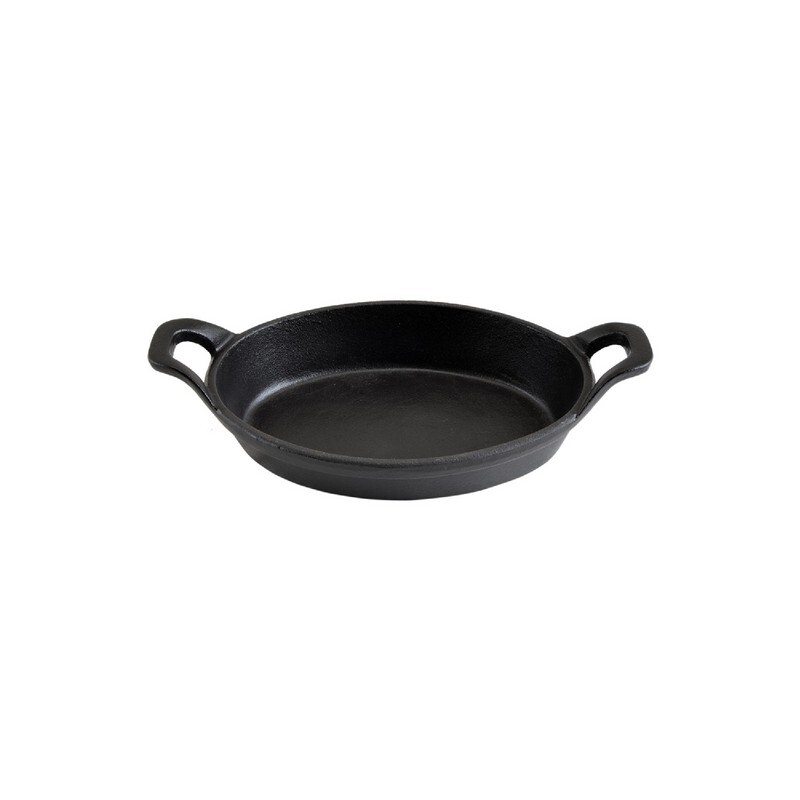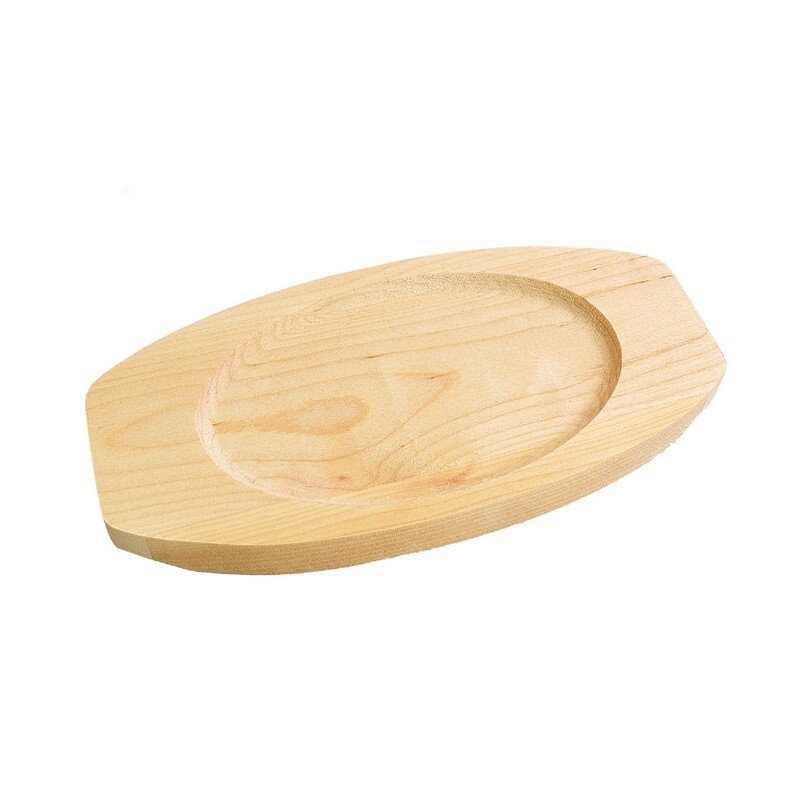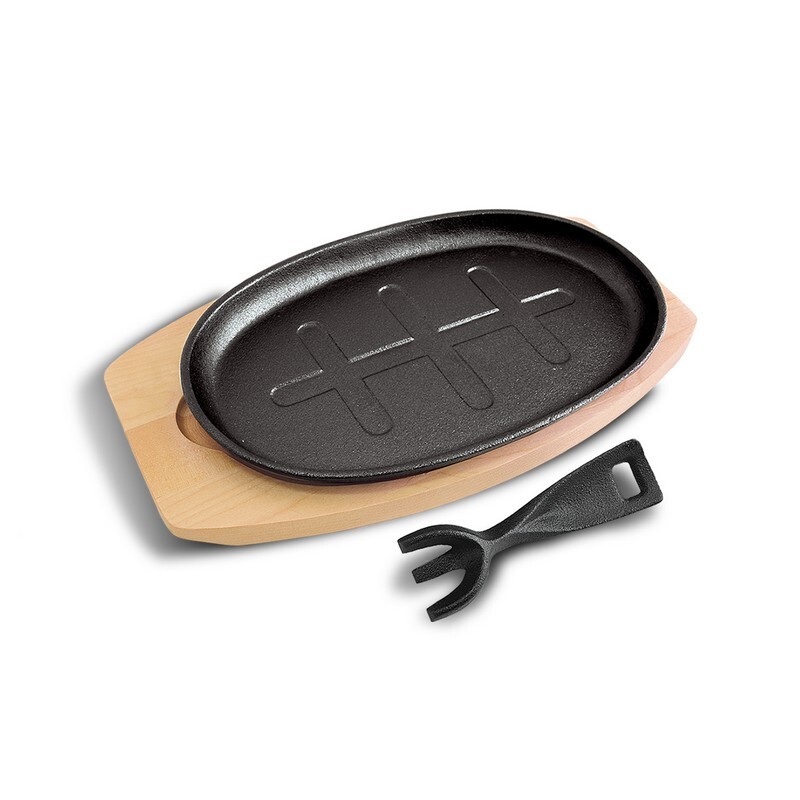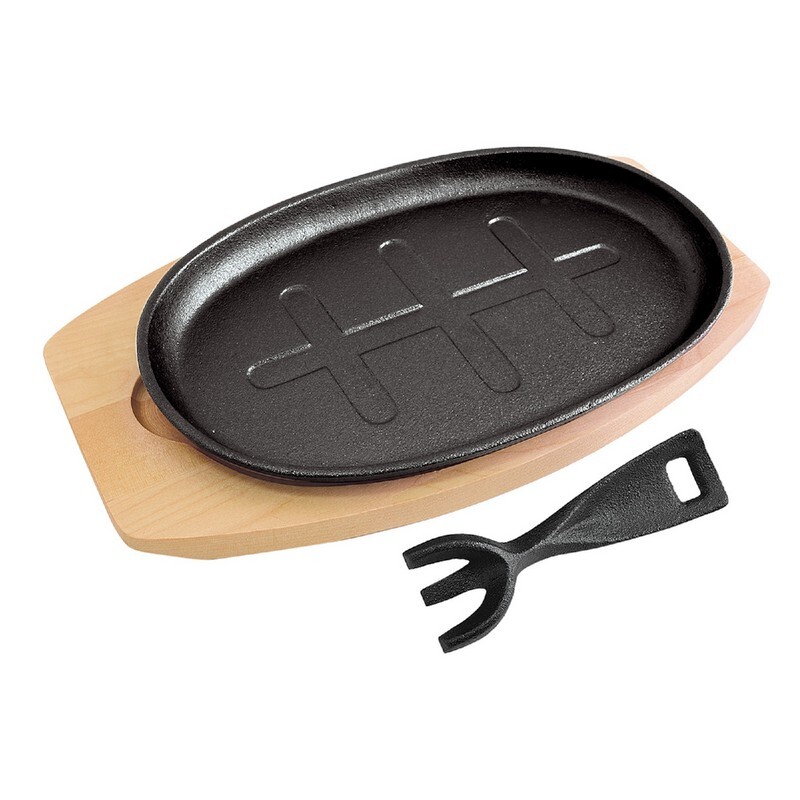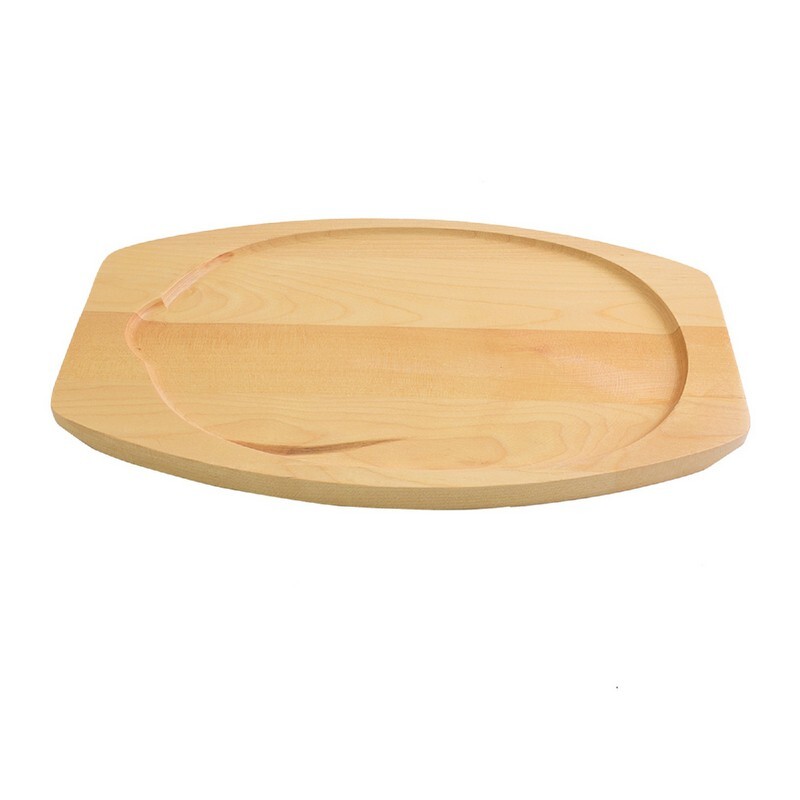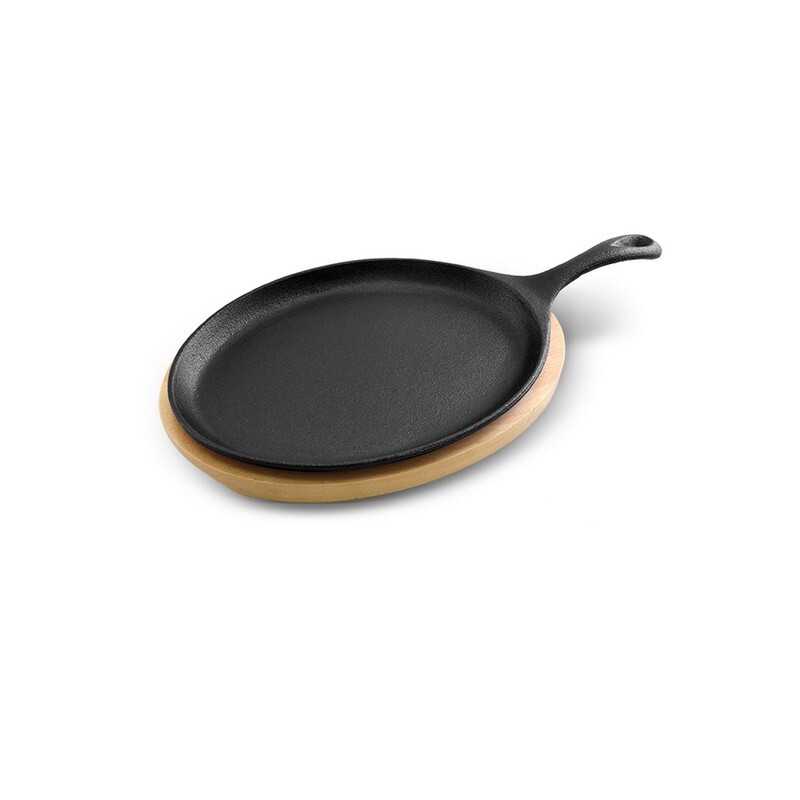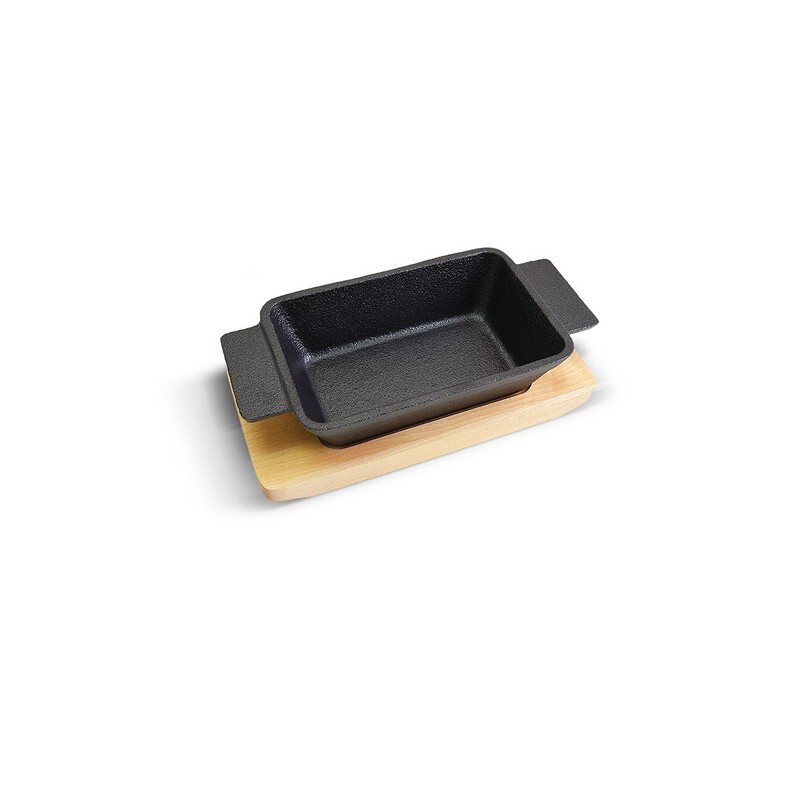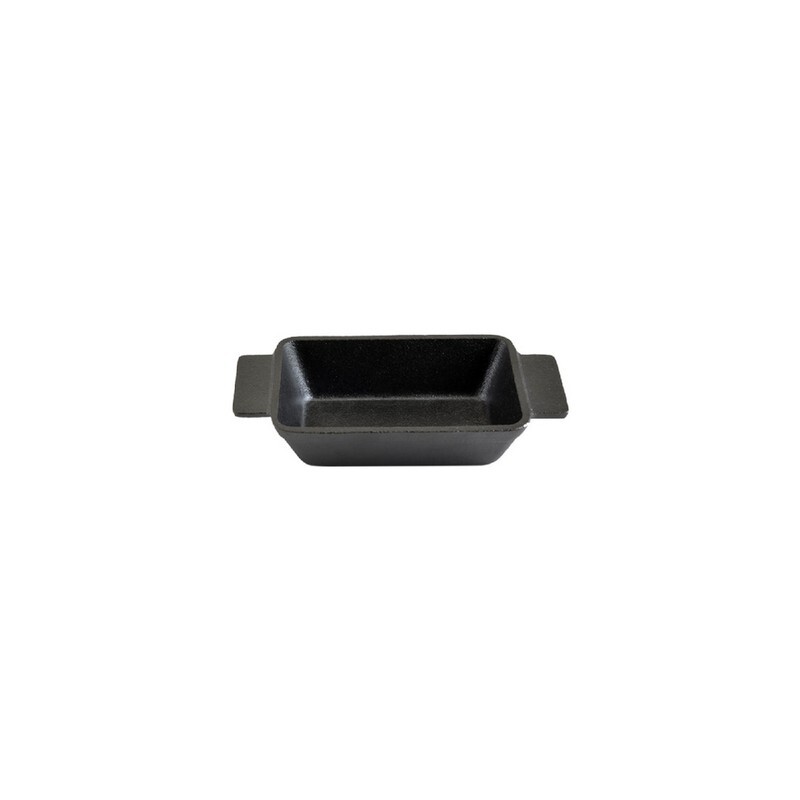
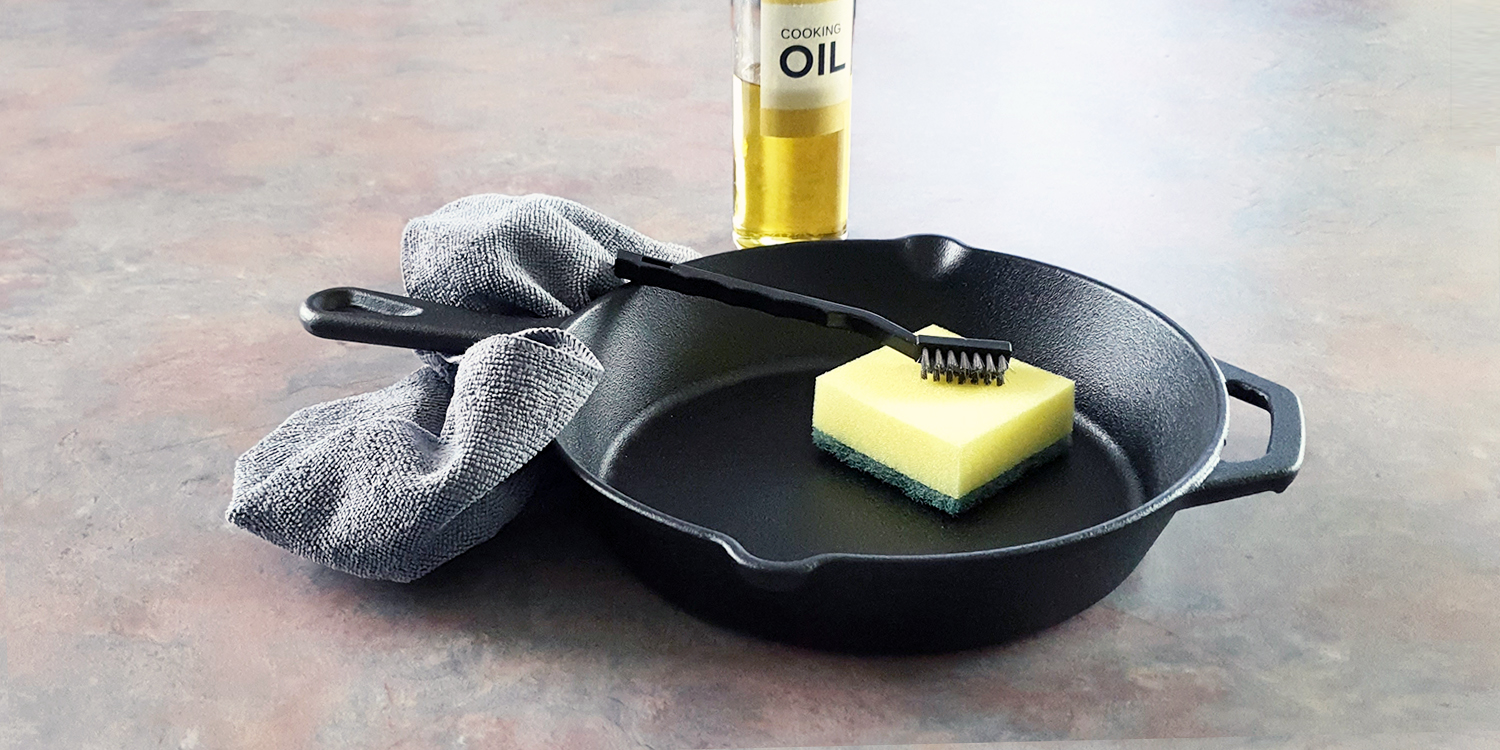
Cast iron cookware has long been a beloved staple in kitchens around the world. Known for its exceptional heat retention, durability, and ability to develop a natural non-stick surface over time, cast iron is ideal for a wide range of cooking methods from frying and sautéing to baking and roasting. With proper care, a single piece of cast iron cookware can last for generations.
To maintain its performance and extend its lifespan, proper seasoning and cleaning are essential. Unlike other types of cookware, cast iron requires a bit of extra attention, but the results are well worth the effort.
Before you begin, prepare the following items:
- High smoke point cooking oil (such as canola oil)
- Paper towels
- Foil paper
- Soft bristle brush
- Seasoning Your Cast Iron Cookware
Seasoning is the process of creating a protective, non-stick layer on the surface of the cookware. This layer also helps prevent rust and improves cooking performance over time.
Seasoning Your Cast Iron Cookware
1. Initial Cleaning
Wash the cookware with warm water. For the first use only, you may use a small amount of mild detergent to remove any factory residue.
2. Dry Thoroughly
Place the cookware on the stovetop over low heat to dry it completely. This step ensures that no moisture remains, which could lead to rust.
3. Apply Oil
Using a paper towel, apply a thin, even layer of high smoke point oil (such as canola oil) over the entire surface of the cookware, including the exterior and handle.
4. Heat in the Oven
Place the cookware upside down in an oven and heat it at 230°C for about 60 minutes, or until it begins to smoke. Put a sheet of foil paper underneath to catch any oil drips and keep your oven clean.
5. Cool and Store
Allow the cookware to cool naturally before storing it in a dry place. Avoid storing it in damp areas, such as under the sink.
Note: Repeat the seasoning process occasionally to maintain the cookware’s signature black, shiny, non-stick surface.
Cleaning Your Cast Iron Cookware
Proper cleaning helps preserve the seasoning layer and keeps your cookware in excellent condition.
1. Loosen Food Residue
Add a small amount of water to the pan and bring it to a boil on the stovetop for a few minutes. This helps loosen any stuck-on food particles.
2. Gently Scrub
Transfer the cookware to the sink and use a soft bristle brush to remove any remaining residue. Avoid using harsh scrubbers that may damage the seasoning.
3. Dry Immediately
Dry the cookware thoroughly by placing it back on the stovetop over low heat. This prevents moisture from causing rust.
4. Lightly Oil the Surface
While the pan is still warm, apply a thin layer of cooking oil using a paper towel. This helps maintain the protective coating.
5. Store Properly
Store the cookware in a dry place. Do not leave it in damp environments, such as under the sink.
Note: Avoid using detergent unless you plan to re-season the cookware after cleaning, as soap can strip away the protective layer.
Additional Care & Use Tips
- Always dry the cookware thoroughly after washing and before storing.
- Season the cookware before first use and periodically thereafter to maintain its non-stick surface and prevent rust.
- Do not soak cast iron in water, as prolonged exposure can cause rusting.
- Avoid using a dishwasher, as it can damage the seasoning.
- Do not use cast iron cookware in a microwave.
With consistent care and proper maintenance, your cast iron cookware will only get better with time. Its naturally developing non-stick surface and rich cooking performance make it a valuable addition to any kitchen.